
7035 Ordan Drive, Mississauga, ON L5T 1T5
Home / Blog / Trucking

Accessorial Charges in Trucking: The Extra Fees on a Freight Invoice and How to Avoid Them

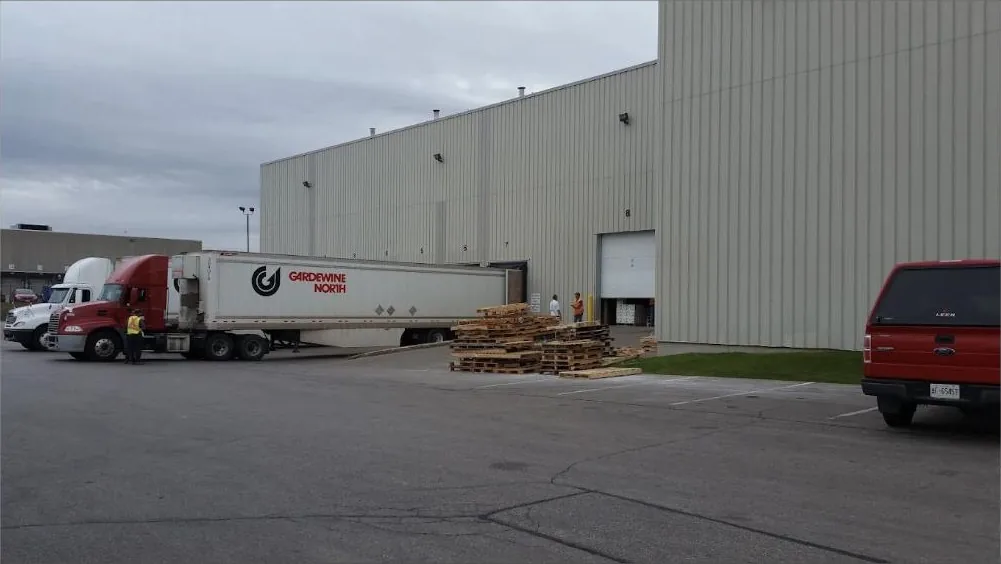
Tractor-trailer backed up to the dock doors at the KDM Logistics facility on Ordan Drive in Mississauga

A freight quote is a price for a truck to go from one door to another. An accessorial charge is anything the carrier had to do beyond that: wait, lower the freight to the ground, come back a second time, hold it overnight. Every carrier in Ontario bills for these, and they are the usual reason a freight invoice comes in higher than the quote. Almost all of them can be seen coming.

Why they exist

A truck and a driver earn money while they are moving freight. An hour parked at a receiver's gate is an hour that truck is not doing its next pickup, and the driver's legal working day keeps running the whole time. The linehaul rate assumes a normal stop. When the stop is not normal, the difference gets its own line on the bill.

The ones that show up most

  • Waiting time. Each stop comes with a set amount of free time to load or unload. After that the clock is billed. It is the most common accessorial there is, and it nearly always comes down to a dock that was not ready or freight that was not staged.
  • Tailgate delivery. If the receiver has no loading dock and no forklift, the freight has to come down on a power tailgate. That is a different truck, so it has to be booked that way. We wrote about how it works in No Loading Dock?
  • Appointments. Distribution centres and large retailers take deliveries by appointment only. Booking the slot and holding the truck to it is extra work for dispatch, and a missed slot can mean days until the next one.
  • Redelivery. The truck arrived and could not deliver: nobody there, receiving closed, wrong address, no room on the floor. The second trip is billed as a second trip.
  • Residential and hard to reach sites. Houses, construction sites, schools, storefronts on a busy street, anywhere a 53 foot trailer cannot simply back in. These usually need a smaller straight truck and more time.
  • Inside delivery. Standard delivery ends at the dock or the curb. Moving freight past the door and into the building is a separate job.
  • Storage. Freight that cannot be delivered has to sit somewhere. A day or two on the dock is one thing. Weeks is warehousing.
  • Weight and size corrections. LTL is priced on the space and weight the freight takes up. If the pallet turns out to be taller, longer or heavier than what was booked, the price is corrected to what actually shipped.
  • Fuel surcharge. Not really a surprise fee. It is a percentage that moves with the price of diesel and it is on nearly every freight invoice in the country. Ask whether a quote includes it.

How to keep them off the bill

The pattern in that list is that the carrier found something out at the door that it could have been told on the phone. So tell dispatch everything about both ends of the move when you ask for the price:

  • Whether each address has a dock, a forklift, or neither.
  • Receiving hours, and whether the receiver needs an appointment.
  • Real dimensions and weight of each pallet or piece, measured as it will ship.
  • Anything unusual about the site: a tight laneway, a residential street, a security gate, a contact who has to be called first.
  • Whether the freight will be ready at the dock when the truck arrives.

None of that removes a tailgate fee if the delivery needs a tailgate. What it does is put the fee in the quote, where you can plan for it, in place of on the invoice two weeks later. It also means the right truck shows up the first time, which is how redelivery and waiting time are avoided altogether.

When the freight is ready and the receiver is not

The expensive accessorials are the ones that stack: a missed appointment turns into a redelivery, and the freight sits on a trailer in between. This is where it helps that our trucks and our warehouse are the same operation. If a receiver cannot take a shipment, it comes back to the warehouse on Ordan Drive, comes off the trailer, and goes out again when there is a slot. Shipments that would each pay their own minimums can also be combined into one delivery, which we covered in freight consolidation.

Containers have their own version of all this, charged by the terminals and the shipping lines. That is a separate subject and it has its own post: how to avoid demurrage and detention fees.

Ask before you book

If a quote from any carrier is one number with no detail, ask what it assumes. How much free time at each end? Dock to dock, or is a tailgate included? Is fuel in the rate? A carrier that knows your freight will answer those in one email. We would much sooner have that conversation before the truck is dispatched than after the invoice goes out, on LTL and FTL freight alike.

Want a quote with no surprises in it?

Send dispatch both addresses, the dimensions and weight, and what each site has for unloading. Same-day quotes at 289-723-2174.

Get a Quote