
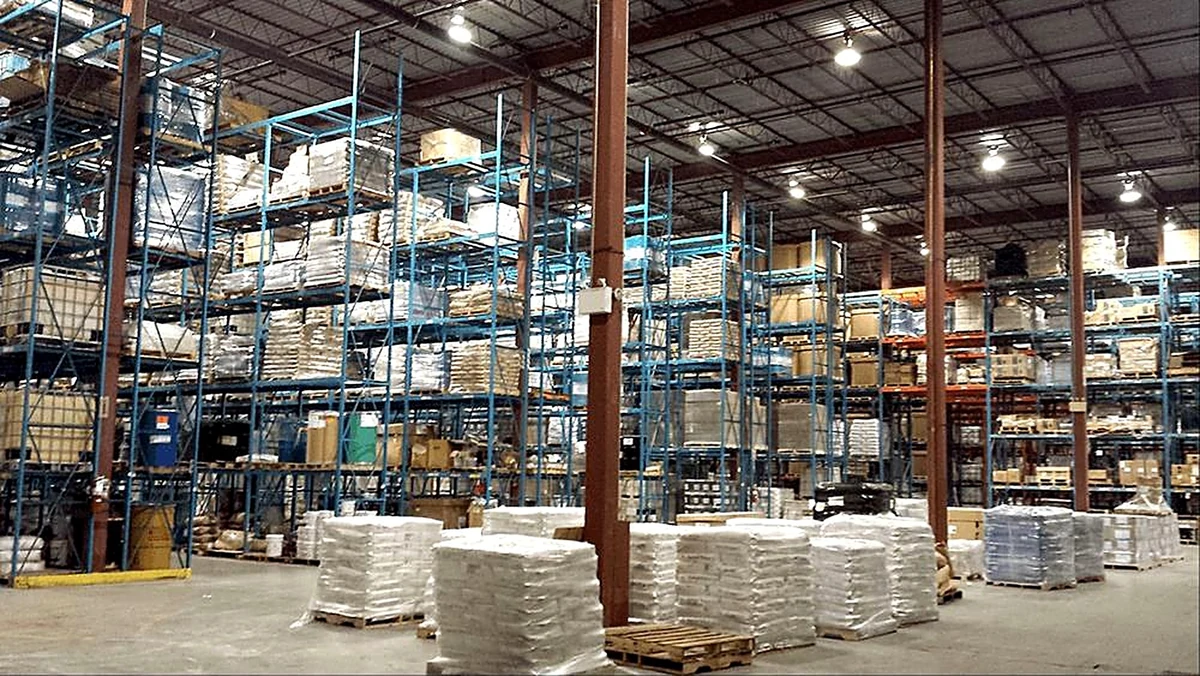
A 40′ ocean container and a 53′ domestic trailer are not the same box. The container crossed an ocean and has to go back to the terminal. The trailer is what moves freight across Canada, and it holds a lot more. Transloading is the step in between: the container gets unloaded at our dock, the freight gets reloaded into domestic trailers, and the empty goes back to the port or rail yard the same day.
Roughly speaking, three 40′ containers of palletized freight fit into two 53′ trailers. On a run to Toronto that difference is not worth handling the freight twice. On a run to Montreal, Calgary or Vancouver it is, because you are paying for two linehauls instead of three, and the long leg is where the money goes. The rule of thumb: the further the freight is going inland, the more transloading pays for itself.
Every day a container sits on your yard is a day the steamship line is counting. Transloading turns a container that would sit for a week into one that is emptied and returned in a day, which is the cheapest way there is to stay clear of demurrage and detention. Our own drayage fleet pulls the box in and takes the empty back, so the return is not waiting on somebody else's schedule.
A heavy container is an axle problem on Ontario roads long before it is a capacity problem. Freight that is legal in a container on a chassis may need special permits or a lighter load to move, and a 20′ loaded to the ceiling is usually the culprit. Transloading lets the freight be split across trailers and distributed properly instead of routing around weight restrictions the whole way.
It is handling, and handling costs money and carries risk. A single container going to a receiver twenty minutes away should be delivered live or dropped as-is. Freight that is floor loaded, fragile or awkwardly stacked can cost more in labour than the linehaul saves. And if the consignee wants the container itself on their yard, that settles it. Tell dispatch the destination and the pallet count and we will tell you honestly which way is cheaper, including when the answer is to leave it in the box.
The three get used interchangeably and they are not the same. A cross-dock moves freight from one truck to another without storing it. Warehousing stores it and manages the inventory. Transloading is specifically about getting freight out of an ocean container and into domestic equipment, and it often feeds one of the other two on the same floor.
Send dispatch the container numbers and the final destination. Same-day quotes at 289-723-2174.
Get a Quote